
Are Bleeding Gums Something To Worry About?
By Allard Station Dental Team · Allard Station Dental
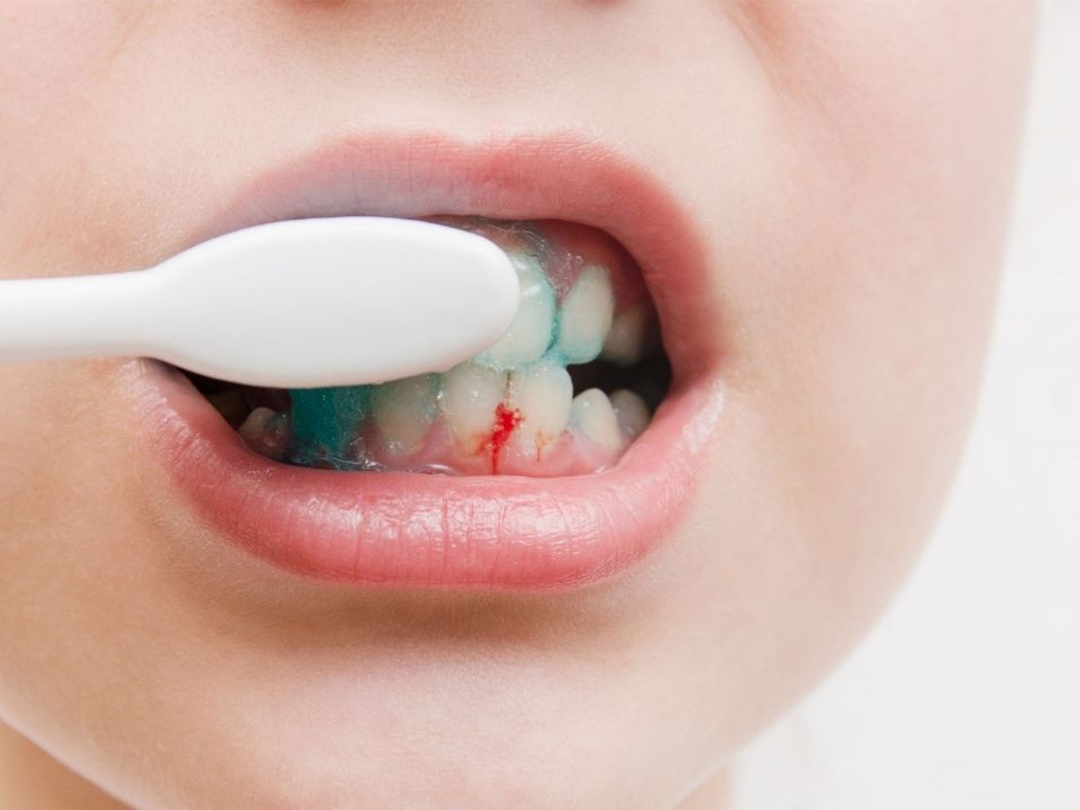
Maintaining good oral health is crucial for overall well-being, and one common issue that people encounter is bleeding gums. While it may seem like a minor inconvenience, bleeding gums can be an indication of underlying dental problems that should not be ignored. In this article, we will explore the causes of bleeding gums, provide helpful remedies, and discuss preventive measures to ensure your gum health remains in optimal condition.
Understanding the Causes
- Gingivitis: The most common cause of bleeding gums is gingivitis, which is an early stage of gum disease. Poor oral hygiene can lead to the buildup of plaque, a sticky film of bacteria, on the teeth and along the gumline. If not removed by regular brushing and flossing, plaque can irritate the gums, causing inflammation and bleeding.
- Aggressive brushing: Brushing your teeth too vigorously or using a hard-bristled toothbrush can damage the delicate gum tissue, leading to bleeding gums. It is essential to use a soft-bristled toothbrush and adopt a gentle brushing technique to avoid unnecessary trauma to your gums.
- Vitamin deficiency: A lack of essential vitamins, particularly vitamin C and vitamin K, can weaken the gum tissue and increase the risk of bleeding gums. Vitamin C plays a vital role in collagen production, which is essential for healthy gums, while vitamin K contributes to blood clotting, helping to prevent bleeding.
- Hormonal changes: Hormonal fluctuations, such as those occurring during pregnancy or menopause, can make the gums more susceptible to inflammation and bleeding. This condition is known as pregnancy gingivitis or hormonal gingivitis.
- Medications: Certain medications, such as blood thinners or antiplatelet drugs, can interfere with the blood’s ability to clot properly, leading to bleeding gums. If you are taking any medications, consult your dentist or healthcare provider for guidance on managing this issue.
Remedies for Bleeding Gums
- Maintain proper oral hygiene: The foundation of healthy gums is a consistent oral hygiene routine. Brush your teeth at least twice a day for two minutes using a soft-bristled toothbrush. Be gentle while brushing, using small, circular motions. Don’t forget to clean your tongue and floss daily to remove plaque and food debris from between your teeth and along the gumline.
- Use a therapeutic mouthwash: Incorporating an antiseptic or antimicrobial mouthwash into your oral care routine can help reduce bacteria in your mouth and promote gum health. Look for products containing ingredients like chlorhexidine or essential oils, which can help alleviate inflammation and bleeding.
- Try a saltwater rinse: A saltwater rinse can provide temporary relief for bleeding gums. Dissolve half a teaspoon of salt in a glass of lukewarm water and swish the solution in your mouth for 30 seconds before spitting it out. Saltwater has soothing and antimicrobial properties that can help reduce gum inflammation.
- Increase vitamin intake: A well-balanced diet rich in vitamins and minerals is crucial for gum health. Incorporate foods high in vitamin C, such as citrus fruits, berries, and leafy greens, as well as vitamin K-rich foods like spinach, kale, and broccoli. If necessary, consult your healthcare provider about taking supplements to ensure you’re meeting your nutritional needs.
Preventing Bleeding Gums
- Regular dental check-ups: Schedule regular visits to your dentist for professional cleanings and check-ups. Professional cleanings remove hardened plaque (tartar) that cannot be removed by brushing alone, helping to prevent gum disease and bleeding gums.
- Maintain a healthy lifestyle: A healthy lifestyle contributes to good oral health. Avoid tobacco products, as they can aggravate gum inflammation and increase the risk of gum disease. Maintain a balanced diet, limit sugary foods and drinks, and stay hydrated to support overall oral health.
- Manage stress: High levels of stress can weaken your immune system, making it harder for your body to fight gum infections and inflammation. Engage in stress-reducing activities such as exercise, meditation, or hobbies to help maintain a healthy immune response.
- Use a soft-bristled toothbrush: Opt for a soft-bristled toothbrush to protect your gums from unnecessary trauma. Replace your toothbrush every three to four months or sooner if the bristles become frayed.
Conclusion
Bleeding gums should never be ignored, as they can be a sign of underlying dental problems. By understanding the causes of bleeding gums and adopting proper remedies and preventive measures, you can maintain optimal gum health.
Remember to maintain a consistent oral hygiene routine, seek professional dental care, and make lifestyle choices that support your overall well-being. By understanding the causes and implementing appropriate remedies and preventive measures, you can take control of your oral health and prevent further complications.
If you are experiencing persistent bleeding gums or any concerning symptoms, it is important to seek professional dental care. Our dentist can provide a comprehensive evaluation, diagnose any underlying conditions, and recommend appropriate treatment options.
Questions about your smile?
We’re open 7 days a week in SW Edmonton — same-day emergency appointments available.